


Stories & Features
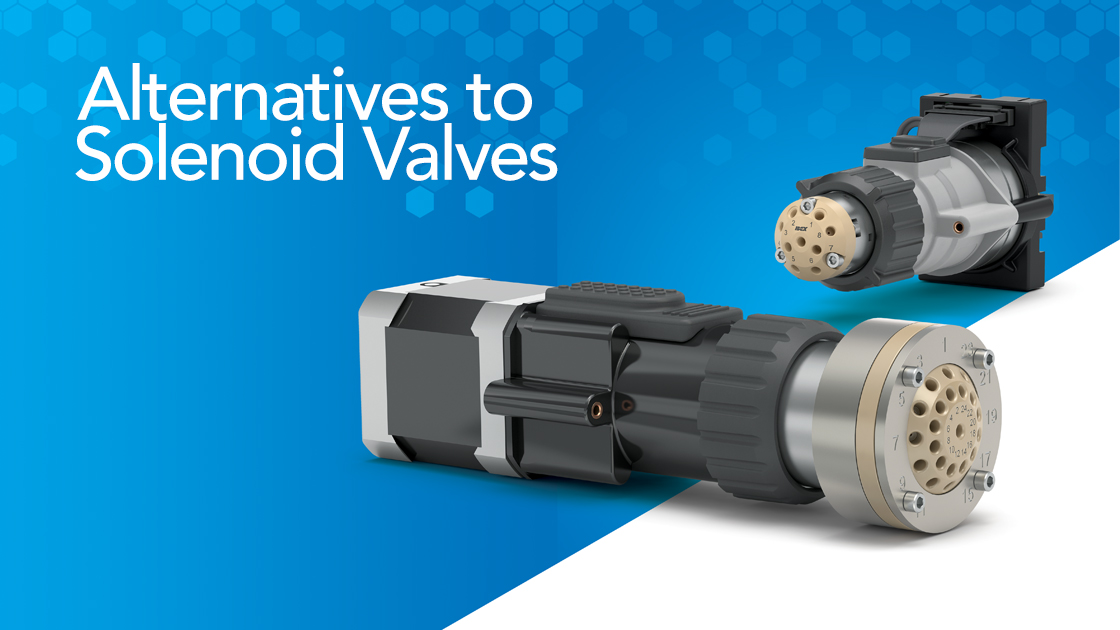
When your life science system relies on consistent, contamination-free fluid control, your valve choice can make a huge difference. You may have used solenoid valves as a default option in your life science instruments, but as performance demands increase, their limitations become more apparent. Fluid cross-talk, unwanted pressure pulsations, flow, complex integration, and limited chemical compatibility can all introduce challenges into your fluidic workflows.
It may be time to make the switch. Our selection valves are engineered for reliability, chemical resilience, and a smooth, pulse-free fluidic pathway that supports the performance your system requires.
IDEX Health & Science valves offer a strong alternative to solenoid valves. Our valves can reduce flow pulsations in your system, prevent solvent cross-talk, maximize system uptime, ensure chemical compatibility, and simplify your flow path.
| Replacement Option | Benefits Over Solenoid Valves | Ideal Applications |
|---|---|---|
| Rotary Shear Valves |
|
|
| Valve Manifold Assemblies |
|
|
Whether you run elevated system pressures, use aggressive chemicals, need biocompatibility, or have a low-flow instrument, our rotary shear valves offer minimal unswept volumes and diverse material options with a wide choice of material options.
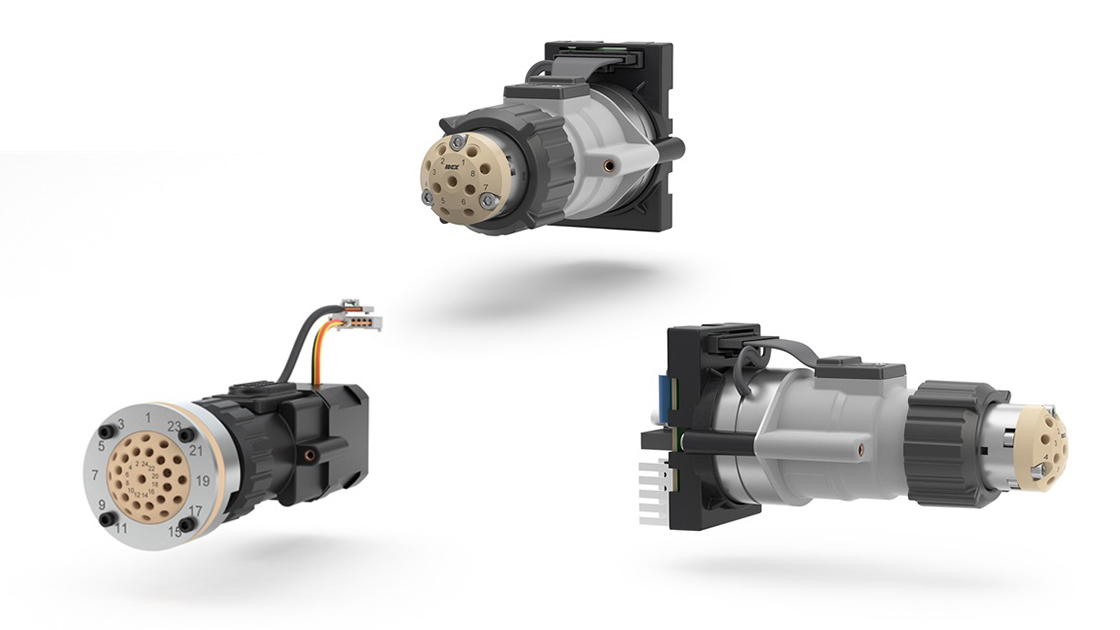
Make the Switch to Rotary Shear Valves
Manifold mounting of valves can simplify your flow path and fluid connection points during instrument assembly. The addition of other components to the manifold, such as probes, and pressure sensors, can take the most complex flow path and streamline it into one complete fluidic engine.
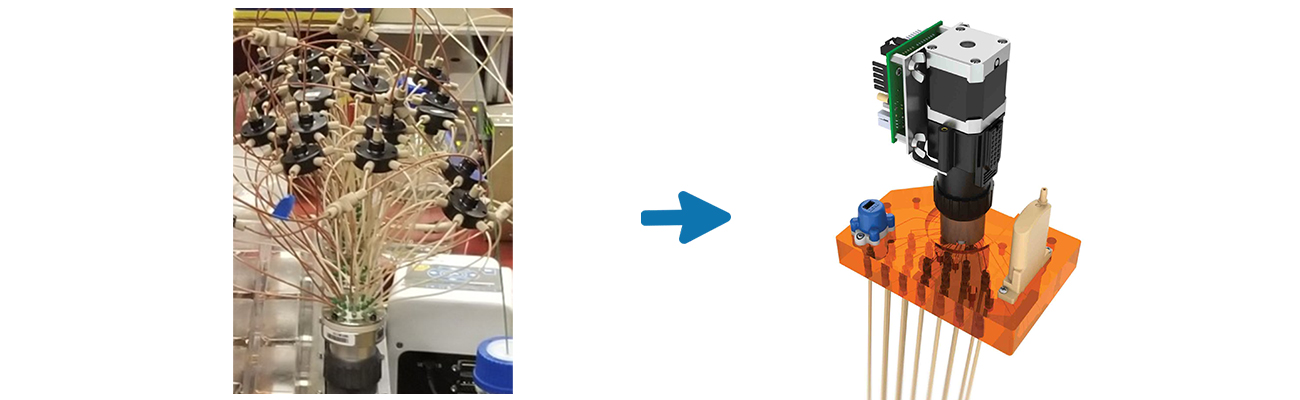
See how IDEX Health & Science rotary shear valves can improve system performance while reducing maintenance and complexity.
*Required Field
Upon submission of this form, you will receive an email from IHSmarketing@idex-hs.com to verify your email address. Please open the email with subject line: "Please confirm your email address" and click "I confirm" to complete the request.